


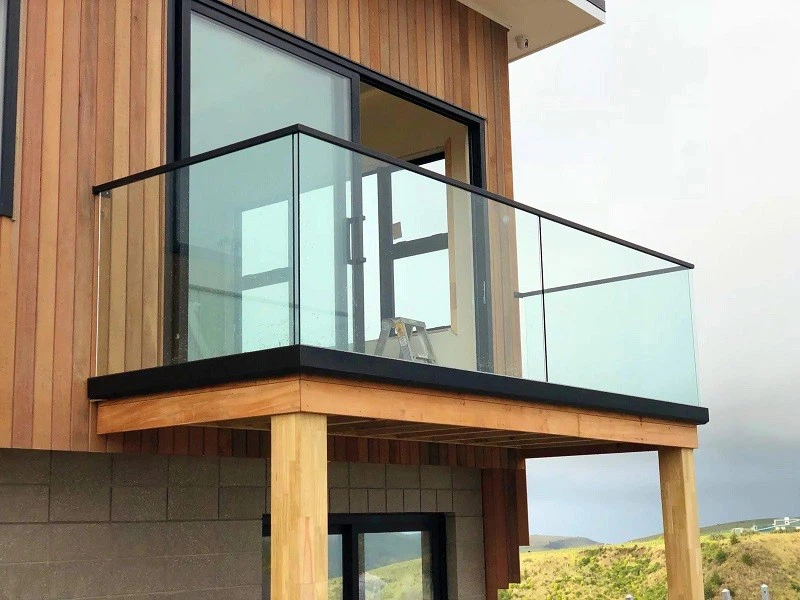


Best Aluminum Deck Railings: Reviews & Benefits
There is no single material that is the right choice for every kind of railing project. Choosing the right deck railing material involves striking a balance between several factors. While aluminum may not be the first option that comes to mind when compared to more popular options like wood and composite, there are many instances where aluminum is the best choice. As always, it's important to investigate each material to find the right one for your project. Further exploring the pros and cons of aluminum railing can help you narrow down your selection.

Benefits of Aluminum Railings
Aluminum is both strong and lightweight. That makes it a great choice for projects where safety can't be compromised. It's easy to work with, enjoys excellent lasting power, and maintenance is minimal. Aluminum railing can also provide a fairly wide range of aesthetic customization options.
Strength and Durability
The versatility of aluminum means it can be flimsy enough to tear with your hands or sturdy enough to create buildings. Extruded aluminum is usually coated, adding a critical layer of environmental resistance. Powder-coated aluminum isn't prone to rusting like steel, it won't rot like wood, and it isn't as vulnerable to fluctuations in temperature as vinyl. That makes aluminum railings both long-lasting and ideal for safety.
Low Maintenance
Wood needs to be painted, sanded, and resealed. Aluminum doesn't require that level of upkeep, because aluminum railing is typically powder coated. Powder coating is an electrostatic painting process where the finish is baked on at a high temperature. It's durable, resistant to the elements and can provide texture to the finished railing. However, it's still a good idea to intermittently spray down your rails to help keep them looking their best. You should also make sure you touch up any areas where your railing gets scratched or scuffed. Most manufacturers offer touch up kits for this purpose.

Style & Customization
Aluminum railings are available in a range of colors, the most common of which are black, white, and shades of brown. You can also find a variety of infills for aluminum railing, such as stainless steel cable, mesh, aluminum balusters, or even glass. This allows for greater design flexibility, combining classic and modern styles for a more striking appearance -- aluminum railing can truly set your project apart.
Aluminum Railings are Eco-Friendly
Aluminum is a fully recyclable material. That said, railings are often created from at least some recycled material. Wood railing requires regular reapplications of chemical coatings to help slow down their inevitable destruction. By contrast, aluminum railings can generally be kept clean with just soap and water.

Aluminum Railing Material Comparison
There is no clear winner in a head-to-head comparison of aluminum and low-maintenance composite deck railing options. The same is true when comparing aluminum to most other materials. The answer depends on factors like style, budget, how much maintenance you're willing to endure, and even the regional circumstances where the material is being used. But there are some strengths and weaknesses you should be aware of.
Aluminum vs Vinyl Railing
Vinyl is a durable material, but when comparing aluminum vs vinyl railing, it's not nearly as durable as aluminum. The greater hardness of aluminum makes it more scratch- and dent-resistant. Vinyl also can react unfavorably to UV. It's not uncommon to see some vinyl railing products yellow and chalk a few years after installation. While style differences are, ultimately, a matter of taste, you often have to settle for white or light tan when selecting vinyl railing colors.
With respect to maintenance requirements and upfront cost, the two are quite similar. However, vinyl is subject to fluctuations in size in heat or cold, which can accelerate the aging of the material. By contrast, aluminum doesn't move when the temperature changes.

Aluminum vs. Wood Railing
Wood is subject to environmental damage that leads to rot, warping, and deterioration of the material due to temperature fluctuations and moisture. You can only hope to slow down the damage to wood railings with paint, sealants and treatments, each requiring sanding and refinishing. Although wood has a lower upfront cost, it's also high maintenance in terms of upkeep.
Aluminum vs. Steel Railing
Steel and aluminum share many of the same strengths. Technically speaking, steel is even stronger than aluminum. However, steel has one major downside -- rust. Steel has iron in it and oxygen, moisture, and iron are the elements needed to create rust. With the developments in modern coating techniques, this process can be delayed. However, most steel railing manufacturers offer 10 to 15 year warranties while most aluminum offerings carry 25 to lifetime guarantees.

Installation Process
1. Planning and Design
Before installing glass railings, it's crucial to plan and design the layout. Consider the dimensions of the area, the type of glass panels to be used, and any building codes that need to be adhered to. Consulting with a professional can help ensure a successful installation.
2. Preparing the Site
The installation site needs to be prepared by ensuring that the surface is level and free from any obstructions. This may involve removing existing railings or making adjustments to the surface to accommodate the new system.
3. Installing the Aluminum U Channel
The aluminum u channel is typically installed first. This involves measuring and cutting the channel to the required length, then securing it to the surface using appropriate fasteners. It's essential to ensure that the channel is level and securely attached to provide a stable base for the glass panels.

4. Inserting the Glass Panels
Once the aluminum channel is in place, the glass panels can be inserted. The panels should fit snugly into the channel, and any gaps can be filled with rubber gaskets or sealants to prevent movement and ensure a secure fit. It's important to handle the glass panels carefully to avoid damage during installation.
5. Securing the Glass Panels
After the glass panels are in place, additional hardware such as clamps or brackets may be used to secure them further. This step ensures that the panels remain stable and do not shift over time. Regular inspection and tightening of the hardware can help maintain the integrity of the railing system.

Maintenance Tips
1. Regular Cleaning
To keep aluminum u channel glass railings looking their best, regular cleaning is essential. Use a mild detergent and water to wipe down the aluminum and glass surfaces. Avoid using abrasive cleaners or harsh chemicals that could damage the materials.
2. Inspecting for Damage
Periodically inspect the railing system for any signs of damage or wear. Check the aluminum channel for any signs of corrosion or looseness, and inspect the glass panels for cracks or chips. Addressing any issues promptly can prevent further damage and ensure the safety of the railing.

3. Tightening Hardware
Over time, the hardware securing the glass panels may become loose. Regularly check and tighten any screws, clamps, or brackets to maintain the stability of the railing system. This simple maintenance step can extend the life of the railing and ensure its safety.
4. Protecting Against Corrosion
Although aluminum is resistant to corrosion, it's still important to take steps to protect it, especially in coastal areas where saltwater exposure can be a concern. Applying a protective coating or using anodized aluminum can help enhance its corrosion resistance.

Applications of Aluminum U Channel Glass Railings
1. Residential Spaces
In residential settings, the glass railings are often used in balconies, staircases, and decks. They add a touch of elegance to the home and create a seamless connection between indoor and outdoor spaces. Homeowners appreciate the combination of safety and style that these railings offer.
2. Commercial Buildings
Commercial buildings such as hotels, office complexes, and shopping malls benefit greatly from the installation. They provide a sophisticated and professional look while ensuring the safety of visitors and employees. These railings are also compliant with various building codes and regulations.
3. Public Spaces
Public spaces like parks, boardwalks, and pedestrian bridges often use glass railings to enhance the visual appeal and provide safety for the public. The durability and low maintenance of these railings make them a cost-effective solution for large-scale installations.

FAQS
Q: Who are We?
A: Our headquarters are located in Guangdong, China, started in 2006, selling to North America (70.00%), South Asia (10.00%), Oceania (10.00%), Western Europe (10.00%). There are about 11-50 people in our office altogether.
Q: How do we guarantee quality?
A: Always be pre-production samples before mass production;
Always carry out final inspection before shipment;
Q: What can you buy from us?
A: Doors, Windows, rolling doors, garage doors
Q: Why do you buy from us and not from other suppliers?
A: We are a professional manufacturer of shuttered doors and Windows, garage doors and awnings for over 10 years. Experienced researchers make our products perfect with superior design and high quality materials.
Q: What services can we provide?
A: Acceptance of delivery terms: FOB, CIF, EXW, FAS, FCA, express;
Accepted payment currency: USD, EUR, HKD, RMB;
Payment methods accepted: wire transfer, Letter of credit, Western Union, cash;
Spoken: English, Chinese
Hot Tags: aluminum glass railing system, China aluminum glass railing system manufacturers, suppliers, factory, aluminum glass railing, Aluminum Glass Railing System, Aluminium Balustrade Systems


